10 Dog Ear Infection Signs You Shouldn’t Ignore
Dog ear infection signs are easy to miss — especially in the early stages.
Many dog owners don’t realize something is wrong until their dog is already in pain.
If your dog has been scratching, shaking their head, or acting differently, their ears could be the problem.
The scary part? These signs often look harmless at first… until they become serious.
In this guide, you’ll discover the most common dog ear infection signs — and what to do before it gets worse.
📌 Save this guide — you might need it later.
👉 Before cleaning your dog’s ears, read this:
How to Clean Your Dog’s Ears Safely
Most dog owners miss these early warning signs — until the infection becomes painful or serious.
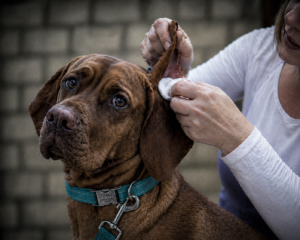
⚠️ 1. Constant Scratching
If your dog keeps scratching their ears or the area around them, it’s often a sign of irritation or an ear infection, and in some cases may also be linked to underlying allergies or skin sensitivity issues.
Occasional scratching is normal — but frequent scratching is not and should always be taken seriously.
This can also be caused by allergies — read: 10 Signs Your Dog Has Allergies (And What To Do)
⚠️ 2. Head Shaking
Dogs with ear infections often shake their heads repeatedly to relieve discomfort inside the ear — and if this happens frequently, it could be an early warning sign you shouldn’t ignore.
⚠️ 3. Bad Smell from the Ears
A strong, unpleasant odor coming from your dog’s ears is a clear sign of a possible ear infection, as healthy ears should not smell and may indicate underlying bacteria or yeast buildup inside the ear.
⚠️ 4. Red or Inflamed Ear Canal
Red or inflamed ear canal in dogs is a common sign of ear infection, and if you notice redness, swelling, irritation, or sensitivity when checking inside your dog’s ears, it may indicate underlying infection, yeast buildup, or bacterial irritation that should not be ignored.
If this persists, it’s best to take action early.
⚠️ 5. Dark Discharge or Wax Build-Up
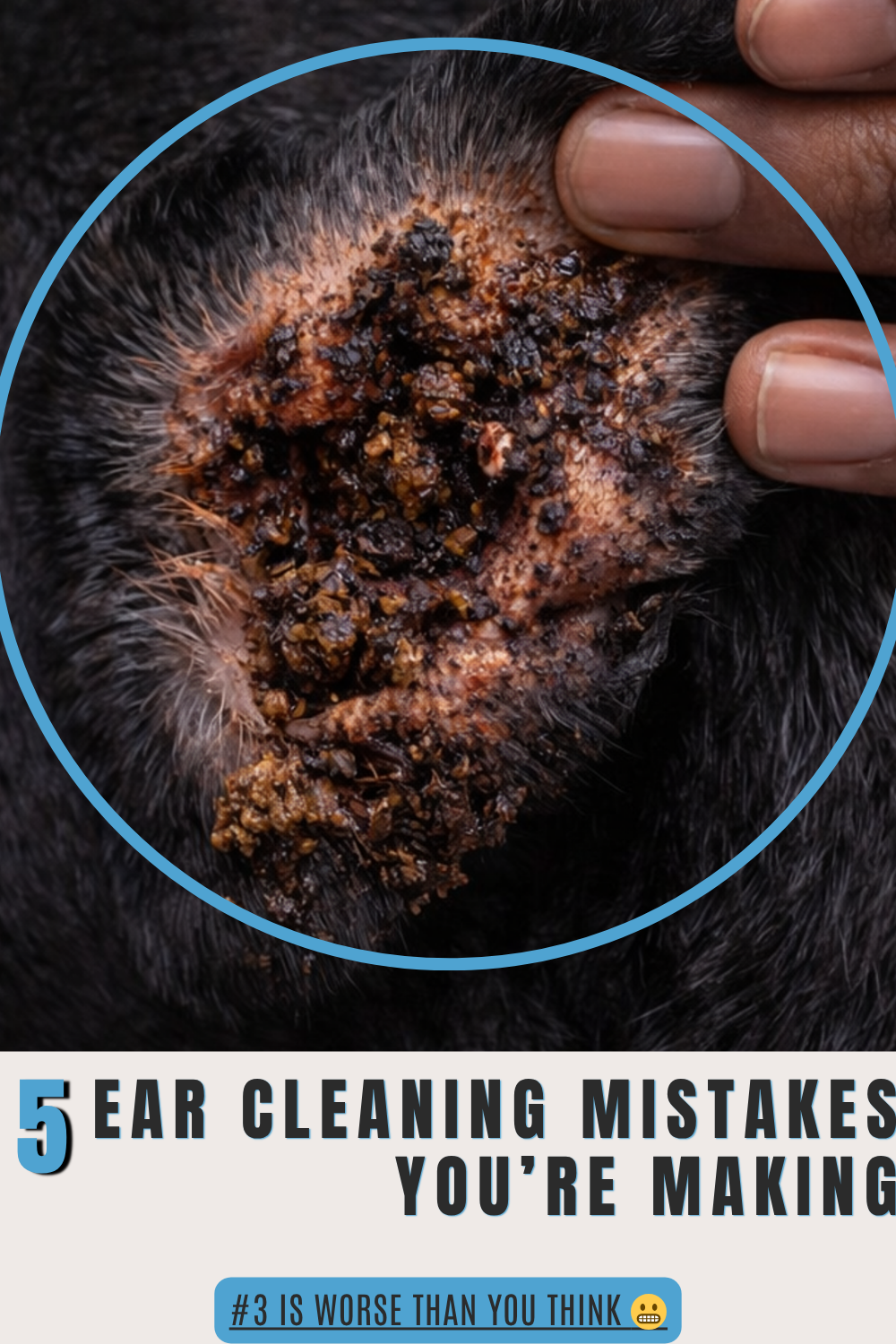
Dark discharge or wax build-up in your dog’s ears—especially brown, yellow, or black—can be a strong sign of ear infection, often caused by bacteria, yeast, or ear mites, and should be treated quickly before it leads to pain or more serious complications.
This is one of the most obvious warning signs many owners overlook.
⚠️ 6. Sensitivity or Pain
If your dog pulls away, flinches, or reacts when you touch their ears, it’s often a clear sign of ear pain or discomfort and could indicate an underlying ear infection that needs attention.
Dogs don’t usually react like this unless something is wrong.
⚠️ 7. Changes in Behavior
Ear infections in dogs can cause noticeable behavior changes, making your dog more irritable, less active than usual, or unusually withdrawn.
- Irritable
- Less active
- Withdrawn
If your dog suddenly seems “off” or not like themselves, an ear infection could be the underlying cause.
⚠️ 8. Loss of Balance
In more serious cases, ear infections in dogs can affect balance and coordination, especially when the inner ear is involved.You might notice:
- Head tilting
- Difficulty walking or standing
- Loss of balance or unsteady movement
If your dog shows any of these symptoms, it could indicate a more advanced ear infection and should be checked immediately.
⚠️ 9. Excessive Ear Cleaning or Rubbing
If your dog keeps rubbing their ears on furniture, the floor, or scratching excessively, it’s a strong sign of irritation or an underlying ear infection that shouldn’t be ignored.
The earlier you act, the easier it is to treat.
⚠️ 10. Swelling Around the Ear
Swelling around your dog’s ear or ear canal can be a sign of inflammation caused by an ear infection, often making the area feel warm, tender, or painful to touch.
If you notice any puffiness or your dog reacts when you touch the ear, it’s a warning sign that shouldn’t be ignored.
What You Should Do
- Don’t wait too long
- Clean your dog’s ears properly
- Monitor symptoms closely
- Contact a vet if it gets worse
How to Prevent Ear Infections
Make sure you:
- Clean your dog’s ears regularly
- Keep ears dry after baths or swimming
- Avoid over-cleaning (this can cause irritation)
- Check your dog’s ears weekly
Before cleaning your dog’s ears, read this guide to avoid making things worse:
How to Clean Your Dog’s Ears Safely (Step-by-Step Guide)
Recommended Products to Help Prevent Ear Infections
These simple tools can help you keep your dog’s ears clean, dry, and infection-free.
Using the right ear cleaning products can help prevent infections before they become serious.
Vet-Approved Dog Ear Cleaner (Top Choice)
Helps remove wax, dirt, and bacteria while soothing irritation and supporting healthy ears.
Ideal for dogs with ear infections, itching, or bad odor.
Trusted by vets and used by thousands of dog owners.
👉 Check price on Amazon (latest deal)
Deep Cleaning Ear Solution (Stronger Option)
Designed to break down wax build-up and reduce odor—ideal for dogs with ongoing ear issues.
Best for dogs with heavy wax build-up or recurring ear problems.
👉 Check price on Amazon (latest deal)
These can help prevent infections and keep your dog comfortable.
Choosing the right product early can make a big difference in preventing more serious ear problems.
For more detailed veterinary advice, you can also check resources like the American Kennel Club (AKC).
Final Thoughts
Ear infections can be painful — but the good news is they’re preventable and treatable when caught early.
Your dog depends on you to spot what they can’t say.
Catching dog ear infection signs early can prevent pain, discomfort, and serious complications. If you notice any of these symptoms, take action quickly and don’t ignore the warning signs.
You may also find these helpful: