Hairless Dog: Pros, Cons, and Essential Care Tips
Hairless dogs are unique, eye-catching, and growing in popularity among dog lovers. Before bringing one home, it’s important to understand their grooming needs, skin care requirements, and whether they fit your lifestyle.
While these dogs may seem low-maintenance because they have little or no fur, they actually require extra skin care, protection from the weather, and regular grooming.
If you’re considering bringing a hairless dog breed into your home… Here’s everything you need to know before making that decision.
What Is a Hairless Dog?
A hairless dog is a breed that naturally has little to no body hair. Unlike shaved dogs, hairless breeds are born this way due to genetic traits that reduce or eliminate fur growth. While some hairless breeds may have small patches of hair on their head, tail, or feet, most of their body remains smooth and exposed.
Although their appearance is very different from most dogs, hairless breeds are known for being affectionate, intelligent, and loyal companions. Many owners are drawn to their unique look, low shedding, and close bond with family members. However, because they lack a protective coat, they often require special skin care and weather protection to stay healthy and comfortable.
Popular Hairless Dog Breeds
Several hairless dog breeds exist around the world, each with its own personality, size, and care requirements. Here are some of the most popular hairless breeds and what makes them unique.
Chinese Crested
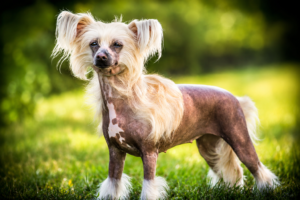
The Chinese Crested is one of the most recognizable hairless dog breeds. Most have smooth skin on their body with hair on their head, tail, and feet. They are affectionate, playful, and highly attached to their owners, often earning the nickname “velcro dogs” because they love staying close to their family members.
Despite their delicate appearance, Chinese Cresteds are energetic dogs that enjoy playtime, short walks, and interactive activities. They thrive on human companionship and usually do best in homes where they receive plenty of attention and affection.
Because they have very little body hair, Chinese Cresteds require regular skin care and protection from extreme weather. Sunscreen, protective clothing, and gentle bathing routines can help keep their skin healthy. According to the American Kennel Club (AKC), the Chinese Crested is known for its affectionate nature and strong bond with its family.
Xoloitzcuintli (Mexican Hairless Dog)
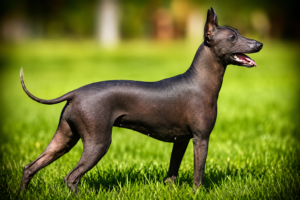
The Xoloitzcuintli, often called the Mexican Hairless Dog, is one of the oldest dog breeds in the world. This ancient breed has a history that dates back thousands of years and was highly valued by several Mesoamerican civilizations.
Xoloitzcuintlis are known for their calm, loyal, and intelligent nature. They form strong bonds with their families and are often protective without being overly aggressive. Their alert personality also makes them excellent watchdogs.
Because they have little to no body hair, Xoloitzcuintlis require regular skin care and protection from extreme weather conditions. According to the American Kennel Club (AKC), the Xoloitzcuintli is one of the oldest dog breeds in the world.
Peruvian Inca Orchid
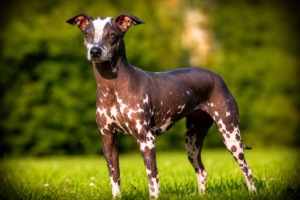
The Peruvian Inca Orchid is an ancient hairless breed that originated in Peru and has been valued for centuries for its unique appearance and loyal nature. Its sleek, elegant body and smooth skin make it one of the most distinctive dog breeds in the world.
These dogs are intelligent, alert, and highly athletic. They enjoy physical activity and mental stimulation, making them a great match for active families who can provide regular exercise and engagement.
Peruvian Inca Orchids often form strong bonds with their owners and are known for being affectionate and devoted companions. Their natural awareness of their surroundings also makes them excellent watchdogs.
Because they have little or no coat, they require special skin care and protection from harsh weather conditions. With proper care, attention, and companionship, this rare breed can be a loving and rewarding family pet.
American Hairless Terrier
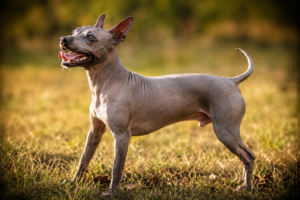
The American Hairless Terrier is a rare hairless breed that originated in the United States. Developed from the Rat Terrier, this energetic and intelligent dog is known for its friendly personality and unique appearance.
These dogs are playful, curious, and highly affectionate with their families. They enjoy being involved in daily activities and often form strong bonds with their owners. Their alert nature also makes them excellent watchdogs despite their small to medium size.
Because they have little or no coat, American Hairless Terriers require protection from extreme weather and regular skin care. According to the American Kennel Club (AKC), they are active companions that thrive with exercise, attention, and positive training.
Are Hairless Dogs Hypoallergenic?
Many people believe hairless dogs are completely hypoallergenic.
The truth is that no dog is truly 100% hypoallergenic.
Most dog allergies are caused by dander, saliva, and skin oils rather than fur itself.
However, because hairless dogs shed very little, some allergy sufferers may find them easier to live with than heavily shedding breeds. People with dog allergies should spend time around a hairless breed before bringing one home, as reactions can vary from person to person.
Skin Care Requirements
One of the biggest responsibilities of owning a hairless dog is caring for its skin. Without a protective coat, their skin is directly exposed to sunlight, temperature changes, dirt, and other environmental factors that furry dogs rarely experience. As a result, hairless breeds are more prone to sunburn, dryness, irritation, and minor skin injuries. Establishing a regular skin care routine can help keep your dog comfortable and reduce the risk of skin-related problems.
Sun Protection
Hairless dogs can get sunburned just like humans. When spending time outdoors, they may require dog-safe sunscreen, especially during summer. Limiting exposure during peak sunlight hours and providing plenty of shade can help protect their sensitive skin from damage.
Moisturizing
Dry skin can be a common issue for hairless breeds. Using a veterinarian-approved moisturizer can help prevent dryness, flaking, and irritation while keeping the skin healthy and comfortable.
Regular Bathing
Hairless dogs often need regular baths to remove excess oils, dirt, and debris from their skin. However, over-bathing should be avoided because it can strip away natural oils and lead to dryness. A gentle dog shampoo designed for sensitive skin is usually the best option.
Recommended Product: Douxo S3 Calm Shampoo
Hairless dogs can be prone to sensitive, irritated, or dry skin. Douxo S3 Calm Shampoo is formulated for dogs with sensitive skin and helps cleanse gently while supporting the skin barrier and reducing irritation.
- Gentle on sensitive skin
- Helps soothe irritation
- Moisturizing formula
- Suitable for regular use
Weather Protection
Hairless dogs are more sensitive to temperature changes.
⚠️ Important: Hairless dogs can develop sunburn in summer and become cold very quickly in winter. Many owners underestimate how much weather protection these breeds need.
You should also learn the 10 Warning Signs Your Dog Is Overheating when spending time outdoors with your dog.
Cold Weather
Hairless dogs are especially sensitive to cold weather because they lack the natural insulation that a full coat provides. During winter, they can become cold much faster than other breeds and may even shiver when temperatures drop. Many owners use dog sweaters, jackets, or other protective clothing to help keep their pets comfortable during outdoor walks. Limiting time outside in very cold conditions and providing a warm indoor environment can help prevent discomfort and keep hairless dogs healthy throughout the colder months.
Recommended Product: PETLOFT Dog Winter Jacket
Hairless dogs often benefit from a warm, protective jacket during colder months. The PETLOFT Dog Winter Jacket features a soft fleece lining, windproof outer layer, and reflective details to help keep your dog warm and comfortable during winter walks.
Hot Weather
Hairless dogs are more vulnerable to sun exposure because they lack the protective layer of fur found in most breeds. Prolonged time in direct sunlight can lead to sunburn, skin irritation, and discomfort. Providing shade, fresh water, and limiting outdoor activity during the hottest parts of the day can help protect your dog. Some owners also use dog-safe sunscreen on exposed areas of skin. It’s important to watch for signs of overheating, especially during summer months. For more information, read our guide on 10 Warning Signs Your Dog Is Overheating (And What To Do Immediately).
Exercise and Activity Needs
Most hairless dog breeds are active, intelligent, and benefit from regular exercise. Daily walks, playtime, and mental stimulation help keep them healthy, happy, and well-behaved. While exercise needs can vary depending on the breed, age, and size of the dog, most hairless breeds enjoy interactive activities and spending time with their owners. Providing enough physical activity and enrichment can help prevent boredom and support their overall well-being. For a detailed guide, read our article on How Much Should You Walk Your Dog? A Simple Daily Guide.
Health Problems to Watch For
Like all dogs, hairless breeds can experience certain health issues. Because their skin is exposed, some conditions are more common than in heavily coated breeds. Understanding these potential concerns can help owners spot problems early and seek veterinary advice when needed.
Like all breeds, hairless dogs can have certain health concerns.
Some common issues include:
- Skin irritation
- Sunburn
- Dry skin
- Acne-like skin conditions
- Dental problems
- Sensitivity to extreme temperatures
Regular veterinary checkups help identify problems early and keep your dog healthy.
Regular preventive care is important. See 12 Simple Dog Health Care Tips Every Owner Should Follow.
Are Hairless Dogs Good Family Pets?
Hairless dogs can make wonderful family companions because they are often affectionate, loyal, and enjoy spending time with people. Many hairless breeds form strong bonds with their owners and thrive on human interaction. However, they may not enjoy being left alone for long periods and usually do best in homes where they receive plenty of attention. Families who are willing to provide proper skin care, weather protection, and regular companionship will often find hairless dogs to be loving, rewarding, and devoted pets.
Pros of Owning a Hairless Dog
✅ Very little shedding
✅ Unique appearance
✅ Often suitable for some allergy sufferers
✅ Strong bond with owners
✅ Easy to spot skin issues early
Cons of Owning a Hairless Dog
❌ Requires regular skin care
❌ Can get sunburned
❌ Needs protection from cold weather
❌ May develop skin irritation
❌ Some breeds can be expensive to purchase
Is a Hairless Dog Right for You?
A hairless dog can be an amazing companion if you’re prepared for the extra care they require.
While they don’t need brushing like many other breeds, they demand regular attention to their skin, protection from the weather, and routine veterinary care.
If you’re looking for a unique, affectionate dog and don’t mind the additional maintenance, a hairless breed could be a perfect fit.
Final Thoughts
Hairless dogs are fascinating pets with unique personalities and special care needs.
Before bringing one home, make sure you understand the commitment involved in maintaining healthy skin and protecting them from environmental conditions.
With proper care, hairless dogs can live long, happy, and healthy lives while becoming loyal companions for years to come.
Hairless dogs can make wonderful companions for the right owner. They are affectionate, unique, and often highly devoted to their families. However, they require more skin care and weather protection than many traditional dog breeds, so it’s important to understand their needs before bringing one home.
Related Articles
👉 12 Simple Dog Health Care Tips Every Owner Should Follow
👉 How Much Should You Walk Your Dog? A Simple Daily Guide
👉 10 Warning Signs Your Dog Is Overheating (And What To Do Immediately)
👉 10 Signs Your Dog Has Allergies (And What You Should Do)