Stop Your Dog Pulling on Walks: The Simple Fix That Actually Works
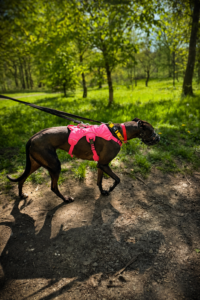
Walking your dog should feel calm and enjoyable — not like a full-body workout.
If your dog constantly pulls on the lead, lunges forward, or drags you down the street, you’re not alone. Dog pulling is one of the most common problems owners struggle with.
The good news?
You do NOT need harsh corrections, shouting, or expensive training classes to improve your dog’s leash behaviour.
With consistency and a few simple techniques, you can teach your dog to walk calmly beside you.
In this guide, you’ll learn:
- Why dogs pull on walks
- The biggest mistakes owners make
- Simple training methods that actually work
- How to stop leash pulling faster
- Helpful tools that can make walks easier
Why Dogs Pull on Walks
Dogs naturally walk faster than humans. In addition, they become excited by smells and movement.
They’re also excited by:
- Smells
- Sounds
- Other dogs
- People
- New environments
- Movement
The biggest reason dogs keep pulling is simple:
Pulling often works.
Every time your dog pulls and still gets to move forward, they learn that pulling helps them reach what they want.
Over time, the behaviour becomes a habit.
Common Mistakes That Make Pulling Worse
Many owners accidentally reinforce pulling without realizing it. Here are some common mistakes:
1. Constantly Letting the Dog Move Forward While Pulling
If the leash is tight and the walk continues, your dog learns:
“Pulling gets me where I want to go.”
2. Using Too Much Force
Yanking the leash can increase frustration and excitement. Some dogs even become more reactive or anxious.
3. Inconsistent Training
If you allow pulling sometimes but correct it other times, your dog becomes confused. Consistency matters.
4. Not Rewarding Calm Walking
Dogs repeat behaviours that are rewarded. If calm walking never gets praise or treats, your dog has little motivation to stay close.
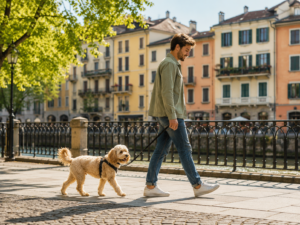
The Simple Fix That Actually Works
The most effective method is surprisingly simple:
Stop moving when your dog pulls. That’s it.
When the leash becomes tight:
- Stop walking immediately
- Stay calm and silent
- Wait for your dog to loosen the leash or return attention to you
- Then continue walking
This teaches your dog:
“Tight leash = walk stops.”
“Loose leash = walk continues.”
Dogs learn through repetition.
At first, it may feel slow and frustrating.
But consistency changes everything.
Use Rewards to Speed Up Progress
Positive reinforcement makes training much faster. Every time your dog walks calmly beside you:
- Praise them
- Give a small treat
- Use a calm voice
- Reward eye contact
High-value treats often work best during walks.
Some dogs respond much faster to training when you use high-value rewards during walks.
Here are some popular dog training treats many owners use for loose leash training:
Good examples include:
- Small chicken pieces
- Soft dog treats
- Cheese cubes
- Training treats
The goal is to make staying near you more rewarding than pulling ahead.
Practice in Low-Distraction Areas First
Busy streets can overwhelm dogs. Start training in quieter places such as:
- Your garden
- A quiet street
- Empty park areas
- Driveways
Once your dog improves, gradually increase distractions. This builds confidence and self-control.
Helpful Walking Equipment
The right equipment can make training easier.
A comfortable no-pull harness can make leash training much easier and safer for both you and your dog.
- Large dogs: Heavy Duty Dog Harness
- Small/medium dogs: No Pull Dog Harness
No-Pull Harness
A front-clip no-pull harness gives better control without placing pressure on your dog’s neck. Many owners notice immediate improvement.
Comfortable Lead
A standard lead around 4–6 feet is ideal. Avoid retractable leads during training because they encourage constant tension.
Signs Your Dog Is Improving
Progress is often gradual. Small improvements matter.
Look for signs like:
- More eye contact
- Less lunging
- Shorter pulling moments
- Calmer body language
- Better focus during walks
Celebrate small wins. Consistent daily practice creates long-term results.
What NOT to Do
Avoid:
- Choke chains
- Punishment-based training
- Screaming at your dog
- Jerking the leash aggressively
- Expecting instant perfection
Training should build trust — not fear.
Some Dogs Need More Exercise
Many dogs pull because they have excess energy. Breeds with high energy levels often need:
- Longer walks
- Mental stimulation
- Play sessions
- Puzzle toys
- Training games
A tired dog is usually easier to walk calmly.
Save This Walking Rule
📌 Loose leash = keep moving.
📌 Tight leash = walk stops.
That simple rule changes everything over time.
Final Thoughts
Stopping leash pulling takes patience, consistency, and calm repetition. There’s no magic overnight fix. But with daily practice, most dogs can learn to walk calmly without dragging you around. Start small. Stay consistent. Reward calm behaviour. And remember — every peaceful walk begins with simple habits repeated daily.
Related Articles
- How Much Should You Walk Your Dog? A Simple Daily Guide
- 6 Signs Your Dog Is Bored (And How To Fix It)
- 7 Signs Your Dog Is Stressed (And How To Help Immediately)
- 12 Simple Dog Health Care Tips Every Owner Should Follow